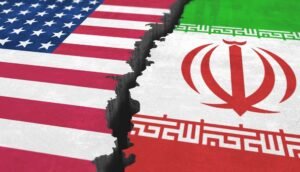
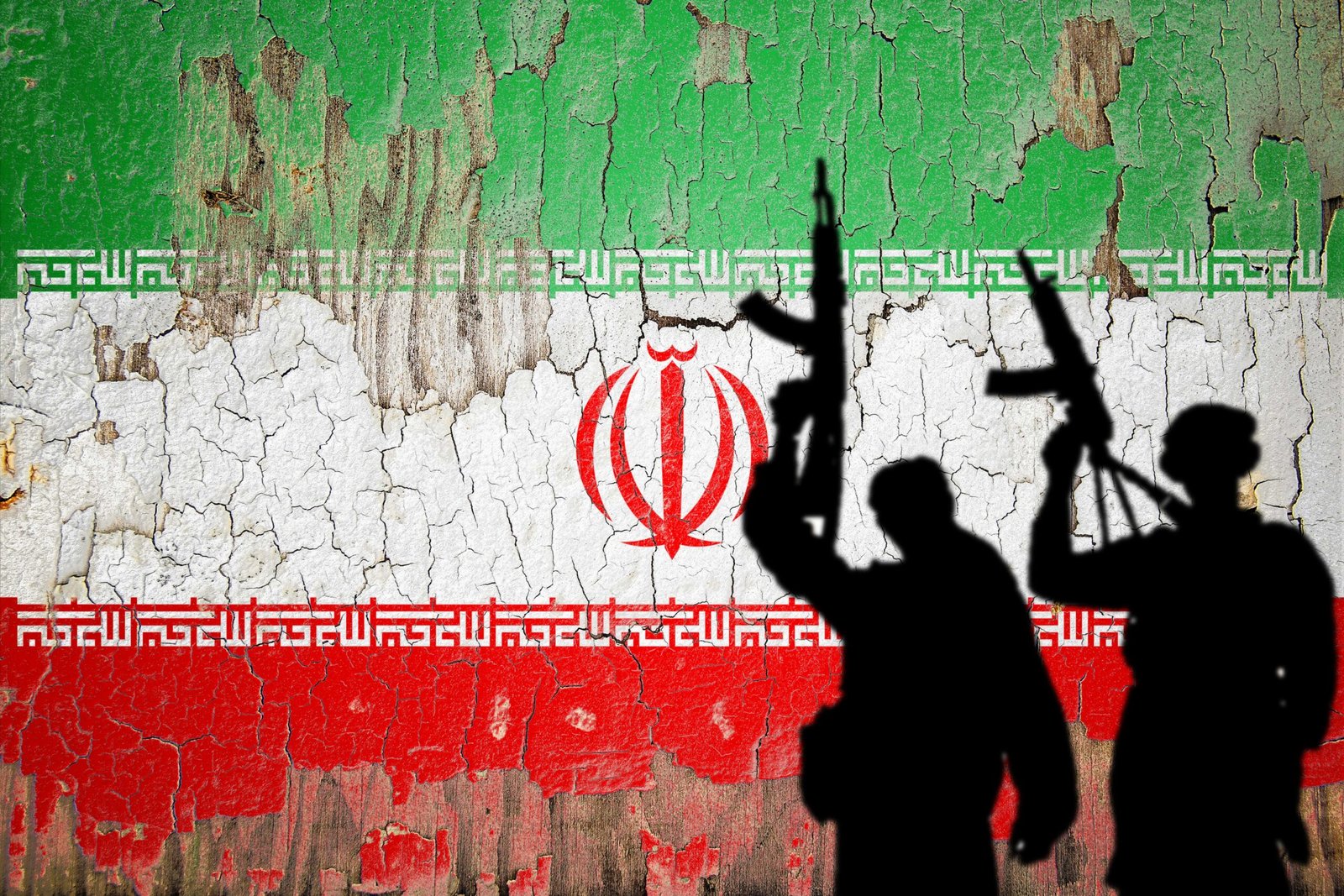
Hostilities between Iran and the U.S. have resumed following the collapse of the Memorandum of Understanding (MoU) between the two countries.[i] The MoU, also known as the Islamabad Accord, brought the months-long conflict to a ceasefire.[ii] However, this ceasefire proved fragile and lasted only three weeks. The resumption of hostilities has been linked to Iran’s internal political divisions[iii] and power struggle, which have spilled over into its strategic decision-making.
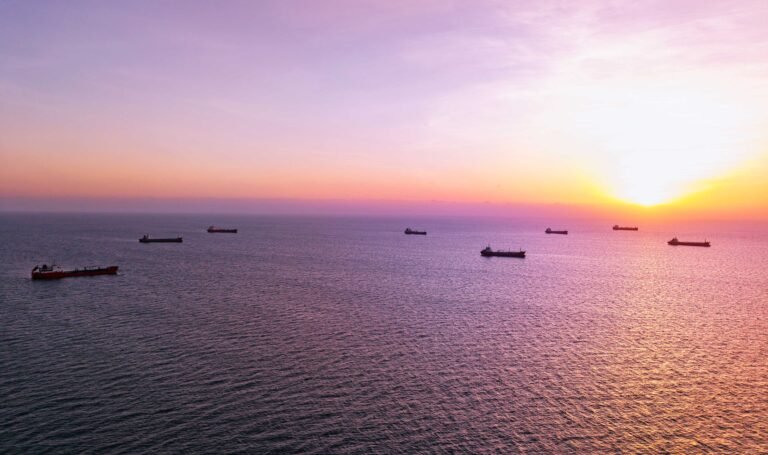
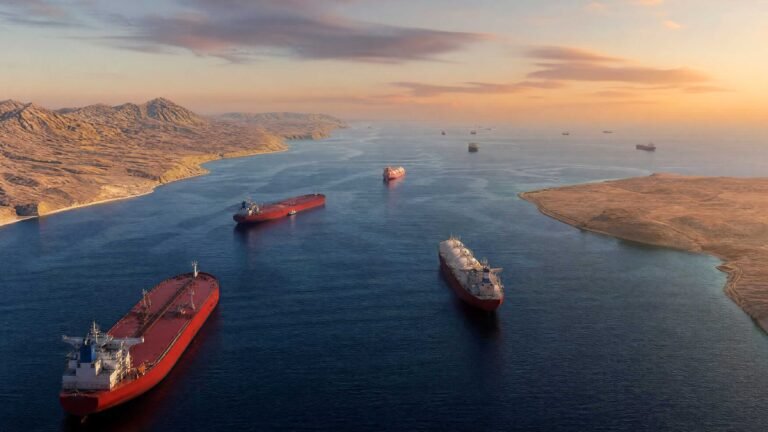
The IRGC’s attack[iv] on three vessels transiting Omani waters in the Strait of Hormuz prompted President Donald Trump to announce the termination of the MoU with Iran. President Trump condemned the IRGC’s actions, describing them as a flagrant violation of the agreement.[v] The termination of the MoU by President Trump was followed by massive U.S. bombardment[vi] of Iranian strategic assets and retaliatory Iranian strikes on five Middle Eastern countries, including Jordan, Kuwait, Bahrain, Qatar, and Oman.[vii] In addition, the IRGC also announced the closure of the Strait of Hormuz[viii], once again disrupting navigation through the corridor and triggering a global energy crisis.[ix]
These attacks have been attributed to the IRGC and appear to have been carried out without the approval of Iran’s civilian leadership. The civilian leadership has not claimed state-level responsibility for these attacks and has shifted responsibility to the IRGC’s hardline leadership.[x] Keeping itself at a distance from these actions, the civilian leadership privately acknowledged the attacks as a mistake[xi] to President Trump’s advisers and expressed its intention to resume the negotiation process.[xii]
Civilian vs. IRGC factions
This attack by the IRGC Navy is an outcome of a brewing political divide between the moderates and hardliners in Iran. This power struggle has greatly intensified in the wake of the U.S.-Israel war on Iran.[xiii] The civilian leadership, comprising the Iranian President Masoud Pezeshkian, the Foreign Minister Abbas Araghchi and the Speaker of the Parliament, Mohammad Bagher Ghalibaf, had been advocating a diplomatic resolution to the conflict. They played a key role in negotiating[xiv] with the U.S. and concluding the MoU.
The military leadership of the IRGC, supported by the new Supreme Leader of Iran, Mojtaba Khamenei, and the ultra-conservative Paydari Front, represents the hardline faction of Iran. These hardliners follow the radical ideology of exporting the revolution[xv] through an extensive network of proxies. Over the years, these hardliners have expanded their influence across the highest echelons of power.[xvi] They are often considered to act like a state within a state, beyond the control of the civilian leadership and undermining its authority.
This concentration of power has increased significantly[xvii] in the aftermath of 28 February as the U.S. and Israel waged a war on Iran. The IRGC exerted considerable influence over key appointments[xviii], effectively overriding the President’s authority. The IRGC also maintains significant stakes in Iran’s domestic economy[xix], with no visible accountability for its finances. This economic influence was further strengthened[xx] as the war engulfed Iran and heightened the strategic importance of the Strait of Hormuz.
The successful conclusion of the MoU between Iran and the U.S. was hailed as a major diplomatic victory for Iran, but more specifically for its civilian leadership. The moderate, pro-diplomacy civilian leadership faced strong opposition from the hardliners in their quest to find a diplomatic solution during the war.[xxi] The MoU was[xxii] accepted only reluctantly by the new Supreme Leader of Iran, Mojtaba Khamenei, as he openly expressed his scepticism of diplomatic engagement with the U.S.
The signing of the MoU, followed by the lifting of sanctions on Iran, negotiations for the release of Iranian monetary assets and a license to sell oil for 60 days, reinvigorated Iran’s civilian leadership. The Speaker of the Parliament, Mohammad Bagher Ghalibaf, and the Foreign Minister, Abbas Araghchi, emerged as influential figures in Iran’s political establishment. Their rising stature underscored the strengthening of civilian leadership.
This, however, threatened the hardliners’ grip on power[xxiii], who view the resurgence of civilians’ pre-eminence as a direct challenge to their authority. Peace, at present, is incompatible with the interests of the IRGC hardliners[xxiv], who seek to benefit from the resumption of hostilities. The hardliners promoted a narrative across Iran against the memorandum, portraying the agreement as Iran’s surrender.[xxv] The civilian leadership was severely criticized for relinquishing leverage derived from the Strait of Hormuz and the President was greeted with chants of ‘Death to compromiser!’ at Khamenei’s funeral.[xxvi]
Strategic rationale behind the attacks
The recent IRGC attacks on vessels passing through the Strait of Hormuz underscore this objective of the Iranian hardliners. The vessels did not violate the understanding between the U.S. and Iran by navigating through the Omani waters. The hardliners’ insistence[xxvii] that ships navigate through Iranian waters illustrates the coercive nature of the IRGC and appears intended to justify the future imposition of transit fees on vessels navigating exclusively through Iranian waters. The IRGC’s actions received unequivocal support[xxviii] from hardliners inside the political realm, undermining the authority of their own civilian political leadership.
This undermines the efforts of the civilian leadership, which proposed an amicable arrangement with Oman to collect transit fees through a collaborative mechanism[xxix] after 60 days of the MoU. The short-sighted and belligerent approach of the IRGC hardliners reflects defiance of the civilian leadership for its own interests.
Additionally, these attacks were carried out on vessels belonging to Qatar, an important mediator between the U.S. and Iran. This not only alienated an important mediator and regional partner, but is also likely to delay the release of Iran’s $12 billion held in Qatari banks.[xxx] The annulment of the ceasefire by President Trump, the reimposition of sanctions and the reversal of the oil license have undermined months of diplomatic progress made by the civilian leadership.
The IRGC hardliners in the political realm appear to be acting outside the authority of the civilian leadership, fuelling instability across the region in order to sustain their grip on power. What can be termed the civil-military divide or the moderate-hardliner divide in Iran is influencing its strategic decisions. The two rival factions appear to be operating at cross-purposes, with the IRGC hardliners hampering the peace efforts of moderate civilians.[xxxi]
The IRGC Navy has once again announced the closure of the Strait of Hormuz, creating uncertainty for global energy security. Oil prices are surging amid disruptions to maritime traffic through the naval corridor. The civilian leadership is again attempting to limit the damage by signalling a willingness to resume negotiations[xxxii], but the new Supreme Leader Mojtaba Khamenei’s vow to avenge[xxxiii] the assassinated Supreme Leader diminishes the probability of peaceful conflict resolution. The prospects for peace in the Middle East remain uncertain due to hardliners’ attempts to undermine the civilian leadership in an effort to consolidate their grip on power.
[i] Stoddart, M. (2026). “Trump says MOU is ‘over’, calls Iranian leaders ‘scum’ following latest strikes,” ABC News, 08 July 2026, retrieved from: https://abcnews.com/International/trump-mou-calls-iranian-leaders-scum-latest-strikes/story?id=134576539.[ii] BBC (2026). “US-Iran memorandum of understanding in full,” 18 June 2026, retrieved from: https://www.bbc.com/news/articles/c4gy700j0eko.
[iii] Valadbaygi, K. (2026). “In Iran, Pezeshkian will be the scapegoat for the failed MoU,” Al Jazeera, 13 July 2026, retrieved from: https://www.aljazeera.com/opinions/2026/7/13/in-iran-pezeshkian-will-be-the-scapegoat-for-the-failed-mou.
[iv] Ravid, B. (2026). “Strait of Hormuz: Iran attacks three ships in 24 hours, U.S. says,” Axios, 07 July 2026, retrieved from: https://www.axios.com/2026/07/07/iran-resumes-hormuz-attacks-us-officials.
[v] De Ruiter, E. (2026). “Trump says ceasefire with Tehran ‘over’ after US and Iran exchange fire,” euro news, 08 July 2026, retrieved from: https://www.euronews.com/2026/07/08/us-launches-fresh-strikes-on-iran-after-ships-attacked-in-strait-of-hormuz.
[vi] Nauman, Q. (2026). “U.S. Launches New Strikes on Iran, Military Says,” The New York Times, 09 July 2026, retrieved from: https://www.nytimes.com/live/2026/07/08/world/iran-war-us-trump.
[vii] Sharma, Y. (2026). “Iran attacks five Gulf nations, shuts Hormuz after US bombing: All to know,” Al Jazeera, 12 July 2026, retrieved from: https://www.aljazeera.com/news/2026/7/12/iran-attacks-five-gulf-nations-shuts-hormuz-after-us-bombing-all-to-know.
[viii] Sabah, Z. (2026). “Iran war updates: IRGC navy declares Strait of Hormuz closed,” Al Jazeera, 11 July 2026, retrieved from: https://www.aljazeera.com/news/liveblog/2026/7/11/iran-war-live-us-demands-iran-publicly-state-strait-of-hormuz-open-for-all.
[ix] Almeida, L. (2026). “Oil prices leap and stocks fall as Trump reinstates Hormuz blockade on Iranian shipping,” The Guardian, 13 July 2026, retrieved from: https://www.theguardian.com/business/2026/jul/13/oil-prices-leap-stocks-fall-us-iran-strait-of-hormuz-brent-crude-markets.
[x] The Times of India (2026). “’We screwed up’: Iran officials admit hardliners fired on ships to derail talks,” 11 July 2026, retrieved from: https://timesofindia.indiatimes.com/world/middle-east/we-screwed-up-iran-officials-admit-hardliners-fired-on-ships-to-derail-talks/articleshow/132328550.cms.
[xi] Jacobs, J. (2026). “Iran privately told Trump advisers “they made a mistake” in shooting at ships in Strait of Hormuz,” CBS NEWS, 10 July 2026, retrieved from: https://www.cbsnews.com/news/iran-privately-said-made-a-mistake-in-shooting-at-ships-in-strait-of-hormuz/.
[xii] Alashray, E. (2026). “Trump says US agreed to Iran’s request to continue talks, but ceasefire is over,” Reuters, 10 July 2026, retrieved from: https://www.reuters.com/business/energy/tanker-traffic-slows-strait-hormuz-after-us-iran-clashes-2026-07-10/.
[xiii] MacFarquhar, N. (2026). “Hardliners in Iran Want to Keep Fighting America,” The New York Times, 12 July 2026, retrieved from: https://www.nytimes.com/2026/07/12/world/middleeast/iran-united-states-hardliners.html.
[xiv] TRT World (2026). “Iran’s Ghalibaf, Araghchi in Pakistan with Vance en route for historic Islamabad Talks,” 11 April 2026, retrieved from: https://www.trtworld.com/article/21e4ac91baea.
[xv] Council on Foreign Relations (2026). “The Islamic Revolutionary Guard Corps (IRGC),” 30 January 2026, retrieved from: https://www.cfr.org/backgrounders/irans-revolutionary-guards.
[xvi] Kamiar, B. (2026). “Iran’s Revolutionary Guards tighten grip on power as civilian leadership sidelined,” euro news, 22 April 2026, retrieved from: https://www.euronews.com/2026/04/22/irans-revolutionary-guards-tighten-grip-on-power-as-civilian-leadership-sidelined.
[xvii] Middle East Online (2026). “War reshapes Iran’s leadership as IRGC tightens grip on power,” 29 April 2026, retrieved from: https://www.middle-east-online.com/en/war-reshapes-iran’s-leadership-irgc-tightens-grip-power.
[xviii] Iran International (2026). “IRGC takes de facto control of Iran government amid deepening power struggle,” 01 April 2026, retrieved from: https://www.iranintl.com/en/202604015321.
[xix] Ma, J. (2026). “Iran’s Islamic Revolutionary Guard controls a sprawling business empire that dominates the economy,” FORTUNE, 02 March 2026, retrieved from: https://fortune.com/2026/03/02/iran-islamic-revolutionary-guard-irgc-business-empire-economy-us-israel-bombing/.
[xx] Nakashima, E. (2026). “U.S. intelligence says Iran’s regime is consolidating power,” The Washington Post, 16 March 2026, retrieved from: https://www.washingtonpost.com/national-security/2026/03/16/iran-regime-intelligence-irgc-war/.
[xxi] Tabriz, A. (2026). ““Send missiles, not diplomats”: Iran hardliners reject talks with US,” IRANWIRE, 25 May 2026, retrieved from: https://iranwire.com/en/features/152841-send-missiles-not-diplomats-iran-hardliners-reject-talks-with-us/.
[xxii] Motamedi, M. (2026). “Khamenei’s MoU stance stirs debate as Iran and US meet in Switzerland,” Al Jazeera, 21 June 2026, retrieved from: https://www.aljazeera.com/news/2026/6/21/khameneis-mou-stance-stirs-debate-as-iran-and-us-meet-in-switzerland.
[xxiii] Ameri, D. (2026). “Iran’s hardliners fear being sidelined in US deal,” DW, 17 June 2026, retrieved from: https://www.dw.com/en/irans-hardliners-fear-being-sidelined-in-us-deal/a-77589196.
[xxiv] Iran International (2026). “Iran hardliner says negotiations are a tool, not a goal,” 11 July 2026, retrieved from: https://www.iranintl.com/en/202607113991.
[xxv] Mojtahedi, N. (2026). “Iran hardliners rage over US deal, but experts say regime is closing ranks,” Iran International, 16 June 2026, retrieved from: https://www.iranintl.com/en/202606158071.
[xxvi] Iran International (2026). “Pezeshkian greeted with ‘death to compromiser’ chants at Khamenei funeral,” 06 July 2026, retrieved from: https://www.iranintl.com/en/202607066818.
[xxvii] Harb, A. (2026). “How Strait of Hormuz dispute led to latest US-Iran cycle of fighting,” Al Jazeera, 09 July 2026, retrieved from: https://www.aljazeera.com/news/2026/7/9/how-strait-of-hormuz-dispute-led-to-latest-us-iran-cycle-of-fighting.
[xxviii] Al-Estiklal Newspaper (2026). “Tensions in Iran Escalate to the Point of Death Threats: What Is the Story of the ‘Paydari Front’ and Why Does It Want War?,” 06 July 2026, retrieved from: https://www.alestiklal.net/en/article/tensions-in-iran-escalate-to-the-point-of-death-threats-what-is-the-story-of-the-paydari-front-and-why-does-it-want-war.
[xxix] Nereim, V. (2026). “After U.S.-Iran War, Oman Said to Propose Hormuz Fee Plan,” The New York Times, 30 June 2026, retrieved from: https://www.nytimes.com/2026/06/30/world/middleeast/iran-war-oman-strait-hormuz-fee-ships.html.
[xxx] TBS News (2026). “Iran, US finalise agreement on release of $12b in frozen assets,” 23 June 2026, retrieved from: https://www.tbsnews.net/worldbiz/middle-east/iran-us-finalise-agreement-release-12-billion-frozen-assets-1469941.
[xxxi] France 24 (2026). “Trump and Iran’s supreme leader trade threats as mediators try to save deal,” 11 July 2026, retrieved from: https://www.france24.com/en/middle-east/20260711-trump-and-iran-s-supreme-leader-trade-threats-as-mediators-try-to-save-deal.
[xxxii] Fassihi, F. (2026). “Iran’s Top Negotiator Signals Door to Diplomacy Is Still Open,” The New York Times, 15 July 2026, retrieved from: https://www.nytimes.com/2026/07/15/world/middleeast/iran-ghalibaf-us-talks.html.
[xxxiii] Sasipornkarn, E. (2026). “Iran’s Mojtaba Khamenei vows revenge for father’s killing,” DW, 11 July 2026, retrieved from: https://www.dw.com/en/irans-mojtaba-khamenei-vows-revenge-for-fathers-killing/live-77913349.