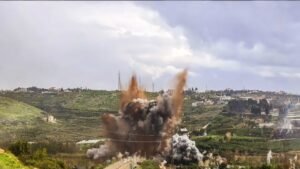
The armed confrontation between the United States, Israel, and Iran has once again made the Middle East the centre of global attention. In this precarious situation, the Iranian regime must navigate a dual-threat environment. Not only do external dangers loom large, but its internal fault lines pose an even greater long-term threat. If, at some stage, these two elements converge within a coordinated framework, they could develop into an existential challenge for the regime.
The foreign proxy militias nurtured by Iran to expand its Wilayat al-Faqih empire across the Middle East have been deployed from Tehran to Balochistan to protect the regime from the people it rules.
The Iranian regime, of course, is aware of its vulnerabilities. Despite the severe weakening of the state apparatus as a result of the U.S.-Israeli strikes, it has demonstrated both its ability[i] and willingness[ii] to employ all the tools of terror and tyranny at its disposal to maintain its hold on power. Given this reality, it should come as no surprise that the foreign proxy militias nurtured by Iran to expand its Wilayat al-Faqih empire across the Middle East have been deployed[iii] from Tehran to Balochistan to protect the regime from the people it rules.
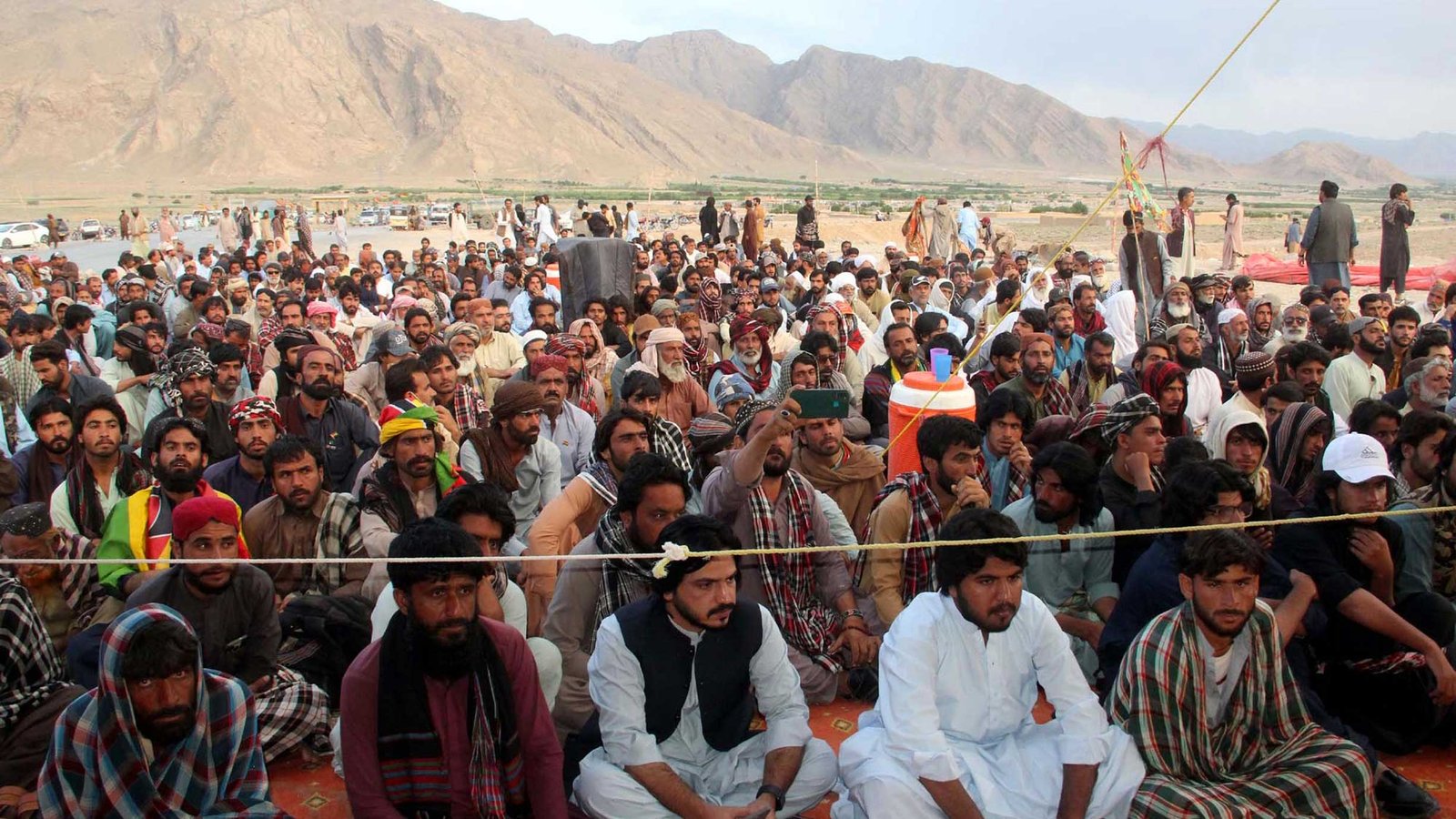
On the internal front, the Iranian regime faces a major challenge in Balochistan – the south-eastern part of the country inhabited by the Baloch Sunni population. Iranian-administered Balochistan comprises Iran’s Sistan-Baluchestan province as well as parts of eastern Hormozgan, southern Kerman, and southern Khorasan. Since its annexation by Iran (then Persia) in 1928, the region has remained restive and has endured extreme forms of repression[iv] and marginalization under successive regimes in Tehran.
Balochistan remains Iran’s least developed[v] and poorest[vi] region, and the Baloch face a looming threat of demographic change in their ancestral homeland as Tehran plans to settle millions of Iranians in the coastal areas of Balochistan.[vii] Marked by recurring socio-political unrest[viii] and an ongoing insurgency, this remote yet strategically important region arguably remains the most volatile part of Iran.
Now that the Iranian regime is in survival mode and it is under enormous pressure, the perspectives of Baloch political and social circles regarding the ongoing conflict between the United States, Israel and Iran – and their approach toward the regime – are important factors not only for Tehran but also for all those with interests in this geopolitically significant region.
Iran’s authoritarian regime does not tolerate political opposition and suppresses dissent through an established system of repression that includes arbitrary arrests, torture, imprisonment and executions. Yet there remain a few voices inside Iran that dare to speak truth to power. One such influential figure is Maulana Abdolhamid from Balochistan, the most prominent Sunni religious leader in Iran. He has consistently criticised the Iranian regime’s policies and his Friday sermons have become a platform for the cautious expression of public sentiment in Iran.
During the ongoing conflict, Abdolhamid has repeatedly called for an end to the war, stating[ix] that “the only way to salvation is a fair agreement.” He has indirectly held the regime responsible for the circumstances that led to the conflict, saying that “if the authorities had listened to the people, no power could have waged war against us.”[x] He has described “surrender to public demands”[xi] as the best way to avoid war. He has also urged all parties to engage in negotiations with a “positive mindset[xii],” arguing that “diplomacy should not fear extremists.”[xiii]
Meanwhile, Abdolhamid has called for the release of political prisoners[xiv], a halt to executions[xv], and the restoration of internet connectivity across the country. Emphasizing that no individual is above criticism and that, in Islam, government does not belong to any individual, he has declared that the people of Iran will never abandon their demands for “justice” and “freedom.” He has also advocated ethnic and religious coexistence and urged the avoidance of confrontation with those holding differing viewpoints.
While Iran’s theocratic regime employs charges such as Moharebeh[xvi] (waging war against God) to silence critics and opponents, applying the same charge against the country’s leading Sunni cleric remains a “red line”[xvii] as doing so would inflict greater damage on the regime than the criticism itself. Nevertheless, Sunni scholars and seminaries[xviii], including Abdolhamid and his seminary, Dar al-Ulum Zahedan, have constantly faced pressure from the authorities, and not all scholars enjoy the limited space available to Abdolhamid[xix] or exercise the same degree of caution.
In May, Maulana Fazlur Rehman Kohi, a former political prisoner and the Sunni Friday Imam of Peshamag in Balochistan, reportedly left Iran[xx] because of increasing pressure from the country’s security apparatus and to avoid re-arrest following a summons from the Special Clerical Court in Mashhad. Earlier, Kohi had stated that he was being summoned because of his support for Maulana Abdolhamid and that he had not bowed his head to any threat during his six years in prison.
The already limited and somewhat exclusive space available to clerics for expressing the sentiments of their people continues to shrink.
Abdolhamid described Kohi as a critic who was “the voice of the people” and characterised his departure from the country “a great loss for the region.”[xxi]
Following Kohi’s departure, Iranian judicial authorities reportedly[xxii] imposed travel bans on Maulana Abdolhamid’s son, Tayeb Ismaeelzahi, and son-in-law, Ismaeel Molazahi. Both individuals have previously been summoned and interrogated by the Special Clerical Court – a special judicial body established to prosecute Muslim clerics and allegedly used to silence critical voices within the clergy.
These developments highlight rising tensions in Balochistan and increasing pressure on Sunni clerics critical of the regime. As a result, the already limited and somewhat exclusive space available to clerics for expressing sentiments of their people continues to shrink.
Since the Islamic Republic of Iran does not permit any kind of political activity that fails to recognize the country’s official Wilayat al-Faqih (Guardianship of the Islamic Jurist) ideology, most opposition political parties, including Baloch groups, are based abroad and operate inside Iran only through covert and underground channels.
The Balochistan Peoples Party (BPP), a federalist political party, has accused Iran of “systematic political repression and destabilising regional adventurism.” It has argued that if the Iranian regime is not “decisively neutralised” by the United States and Israel in the current confrontation, it will unleash even greater brutality through ruthless massacre of the Baloch, Kurds, Arabs and other opponents of the regime “in a manner unprecedented in the history of the Middle East.”[xxiii]
The BPP has also emphasized solidarity among the peoples of Iran, with the goal of establishing “a pluralistic, secular democratic federal republic.”
Dr Shahzavar Karimzadi, Vice-President of the pro-independence Free Balochistan Movement (FBM), expressed similar concerns regarding the regime’s potential response in an interview conducted during the early days of the war. He described the Iranian regime as “a cancer in the region” that must be removed. However, he also criticised what he viewed as the haphazard approach of the United States and Israel toward the Iran issue, stating that “you come for [a] few days and say … we have done it” and after that “you are going to have an agreement with the Islamic regime and the only people that are going to suffer [are] us.”
Karimzadi further argued that if guarantees were provided that no deal would be reached within days and the regime would not be allowed to slaughter the Baloch and other non-Persian nationalities, there was no possibility that the Islamic regime could survive for another two weeks.
The FBM has also issued a policy declaration[xxiv] appealing the United States, the United Kingdom, and the European Union to recognize Balochistan as an independent state, and enter into an alliance aimed at promoting regional stability and countering extremism. Earlier, during the Iran-Israel war in 2025, the FBM presented its Democratic Transitional Plan for Iran, which proposes “national liberation via a democratic route” as a solution to the national question of non-Persian nationalities in Iran.
The Iranian regime continues to portray the people of Balochistan as supporters of the regime while depicting unrest in the region as the product of foreign conspiracies.
Balochistan has also been experiencing an ongoing insurgency for roughly two decades, led by militant groups seeking to secure Baloch-Sunni national and religious rights and resist Tehran’s policies through armed struggle. Owing to the lack of space for peaceful activism, the insurgency’s scope continues to expand. Since, the beginning of the U.S.-Israeli aerial campaign against Iran on 28 February, at least 20 Iranian security personnel have reportedly been killed in multiple militant attacks across Balochistan.[xxv]
Jebhe-ye Mobarezin-e Mardomi (JMM) or People’s Fighters Front – formerly Jaish al-Adl – the most active armed group in Iran’s south-eastern Sistan-Baluchestan province, has held the “oppressive” and “incompetent” Iranian regime responsible for the “devastating war” affecting the country. In a statement on the occasion of Eid al-Fitr, the Council of Scholars of the JMM declared: “The people of Iran had no part in bringing war or the involvement of the United States and Israel, to this land.”[xxvi] The statement further asserted that the JMM would continue its struggle until the fall of the regime.
At the same time, the Iranian regime, through its affiliated media outlets, continues to portray the people of Balochistan as supporters of the regime while depicting unrest in the region as the product of foreign conspiracies.[xxvii] In doing so, it labels both the anti-regime groups and peaceful critics as collaborators[xxviii] of the United States and Israel.
Ayatollah Mustafa Mahami, a senior Shiite cleric and representative of the Iranian supreme leader in the Sunni-majority Sistan-Baluchestan province, has argued that, contrary to the expectations of the “ill-wishers”[xxix] who believed that “Sistan-Baluchestan province would become the main epicentre of the disturbances,”[xxx] the province “experienced a calmer environment.” He also criticised analyses suggesting that the region’s silence formed part of a “Plan-B” to declare autonomy should the regime weaken. According to Mahami, “…some even misused Friday prayer pulpits to promote unrest, still people did not align themselves with these movements.”
In another gathering, Mahami criticised[xxxi] those who argued that negotiations were the only way to end the war and save Iran, insisting instead that resistance was the only option for safeguarding Iran’s independence and territorial integrity. Rejecting the calls for a referendum[xxxii] on the demands of the Iranian people, he stated that “the real referendum is this very heroic presence of the people under missile fire.”[xxxiii]
Although Iran has been unable to subdue Balochistan, the Baloch likewise lack the means necessary to defeat the regime.
During the ongoing conflict, Iranian authorities have claimed to have arrested or killed more than one hundred “members of terrorist groups affiliated with the Zionist regime [Israel] and the United States” in Balochistan.
The Baloch and Tehran both appear to be closely watching one another’s political moves amid the volatile situation in Iran and a broader regional conflict. Both seem to be patiently attempting either to create or await circumstances favourable to the achievement of their respective objectives. Although Iran, despite its unapologetic use of oppression and coercion in the region, has been unable to subdue Balochistan, the Baloch, despite considerable resistance to Tehran’s policies, likewise lack the means necessary to defeat the regime.
Yet the conflict between the Baloch and Tehran is so deeply rooted in their historical experiences that each views the other’s ambitions as an existential threat. Cosnequently, in the longstanding struggle, both the Baloch movement and the Iranian regime continue to seek a gradual shift in the existing balance of power decisively in their favour in pursuit of their respective objectives.
[i] Amnesty International (2026). “What Happened at the Protests in Iran?”, 28 January 2026, retrieved from: https://www.amnesty.org.au/what-happened-at-the-protests-in-iran/.
[ii] Motamedi, M. (2026). “Iran’s authorities warn against protests as Israel threatens Basij forces”, Al Jazeera, 12 March 2026, retrieved from: https://www.aljazeera.com/amp/news/2026/3/12/irans-authorities-warn-against-protests-as-israel-threatens-basij-forces.
[iii] VOA News (2026). “The Islamic Republic’s Proxies in Iran…”, [in Farsi], 6 April 2026, retrieved from: https://ir.voanews.com/a/iran-proxies-expand-pakistans-zainabiyoun-enters/8134902.html.
[iv] Muhammad-Shahi, S. (2022). “’Bloody Friday’ highlights the plight of the Baloch in Iran”, Middle East Monitor, 1 November 2022, retrieved from: https://www.middleeastmonitor.com/20221101-bloody-friday-highlights-the-plight-of-the-baloch-in-iran/.
[v] Biranvandzadeh, M., Heshmati, J.M. and Sorkhkamal, K. (2015). “Assessment of Development Level of Sistan and Baluchistan Province Compared to Iran’s other Provinces”, International Journal of Architecture and Urban Development, 5(1), retrieved from: https://www.sid.ir/paper/329143/en.
[vi] Gholipour, B. (2018). “Revealed: Absolute Poverty in Iran”, Iran Wire, 7 December 2018, retrieved from: https://iranwire.com/en/features/65694/.
[vii] Kesic, I. (2026). “Discover Iran: How once-isolated Makran coast is rising as Indian Ocean’s next strategic powerhouse”, Press TV, 17 February 2026, retrieved from: https://www.presstv.ir/Detail/2026/02/15/764110/discover-iran-once-isolated-makran-coast-rising-indian-ocean-next-strategic-powerhouse.
[viii] Muhammad-Shahi, S. (2023). “Is Iran afraid of the Baloch awakening?”, Middle East Monitor, 3 October 2023, retrieved from: https://www.middleeastmonitor.com/20231003-is-iran-afraid-of-the-baloch-awakening/.
[ix] Twitter/X (2026). “The country’s skies are under enemy control…”, [in Farsi], 21 April 2026, retrieved from: https://x.com/AbdolhamidNet/status/2046598368135098748.
[x] Shaikh Abdol-Hamid (2026). “’Rulers Should Have Listened to the People…”, 13 March 2026, retrieved from: https://abdolhamid.net/english/2026/03/3753/.
[xi] Shaikh Abdol-Hamid (2026). “The Best, Fastest and Cheapest Way to Stop the War is to Accept Public Demands”, 27 March 2026, retrieved from: https://abdolhamid.net/english/2026/03/3757/.
[xii] Shaikh Abdol-Hamid (2026). “All Sides Should Participate in Negotiations with a Positive Mindset…”, 10 April 2026, retrieved from: https://abdolhamid.net/english/2026/04/3761/.
[xiii] Shaikh Abdol-Hamid (2026). “Islam Spread in the World Through Morality and Justice…”, 17 April 2026, retrieved from: https://abdolhamid.net/english/2026/04/3763/.
[xiv] Shaikh Abdol-Hamid (2026). “’Rulers Should Have Listened to the People…”.
[xv] Shaikh Abdol-Hamid (2026). “War is Destructive and Pushes Nations Backward”, 3 April 2026, retrieved from: https://abdolhamid.net/english/2026/04/3759/.
[xvi] UN Human Rights – Office of the High Commissioner (2021). “Iran: Death penalty used as political tool”, 25 October 2021, retrieved from: https://www.ohchr.org/en/press-releases/2021/10/iran-death-penalty-used-political-tool-un-expert.
[xvii] Twitter/X (2026). “Mawlawi Fazlur Rahman Kohi’s strong warning about the plot to assassinate Mawlawi Abdul Hamid…” [in Farsi], 27 March 2027, retrieved from: https://x.com/haalvsh/status/2037605864165794069.
[xviii] Shaikh Abdul-Hamid (N.D.) “Interference in Sunni Religious Affairs Violates the Constitution”, retrieved from: https://abdolhamid.net/english/2021/12/2438/.
[xix] Shhaikh Abdol-Hamid (2025). “Security Pressures on the Makki Complex Have Intensified”, 21 December 2025, retrieved from: https://abdolhamid.net/english/2025/12/3700/.
[xx] Twitter/X (2026). “Mawlawi Fazlur Rahman Kohi’s departure from the country…” [in Farsi], 25 April 2026, retrieved from: حال وش on X: “خروج #مولوی_فضلالرحمن_کوهی از کشور پس از یورش نیروهای اطلاعات سپاه به محل سکونتش به گزارش حال وش/ روز جمعه ۴ اردیبهشتماه ۱۴۰۵، حافظ «محمد اکرم کوهی»، امام جمعه موقت روستای پشامگ از توابع شهرستان راسک، در خطبههای نماز جمعه اعلام کرد که مولوی «فضلالرحمن کوهی»، امام جمعه این https://t.co/e9YeRmDfll” / X.
[xxi] Shaikh Abdol-Hamid (2026). “The Economic and Living Conditions of the Country and the People are Exceptionally Critical”, 1 May 2026, retrieved from: https://abdolhamid.net/english/2026/05/3768/.
[xxii] Twitter/X (2026). Mawlawi Abdul Hamid’s son and son-in law banned from leaving…”, [in Farsi], 11 May 2026, retrieved from: https://x.com/haalvsh/status/2053748742688219528.
[xxiii][xxiii] Balochistan People’s Party (2026). “Statement of the Balochistan People’s Party on the Critical Present Conditions in Iran and the Region…”, Twitter/X, 2 March 2026, retrieved from: https://x.com/ostomaan/status/2028576759386411116.
[xxiv] Baloch Warna (2026). “FBM Issues Sovereign Policy Declaration, Urges U.S., EU and Neighbours to Recognise Independence”, 1 March 2026, retrieved from: https://balochwarna.com/2026/03/fbm-issues-sovereign-policy-declaration-urges-u-s-eu-and-neighbours-to-recognise-independence/.
[xxv] Irna (2026). “Terrorist incident in Zahedan…”, [in Farsi], 29 April 2027, retrieved from: https://www.irna.ir/news/86141337/%D8%B4%D9%85%D8%A7%D8%B1-%D8%B4%D9%87%D8%AF%D8%A7%DB%8C-%D8%AD%D8%A7%D8%AF%D8%AB%D9%87-%D8%AA%D8%B1%D9%88%D8%B1%DB%8C%D8%B3%D8%AA%DB%8C-%D8%B2%D8%A7%D9%87%D8%AF%D8%A7%D9%86-%D8%A8%D9%87-%D8%B3%D9%87-%D9%86%D9%81%D8%B1-%D8%A7%D9%81%D8%B2%D8%A7%DB%8C%D8%B4-%DB%8C%D8%A7%D9%81%D8%AA.
[xxvi] Twitter/x (2026). “The proud and religious people of Iran and the suffering Baloch nation!…”, 19 March 2026, retrieved from: https://x.com/jmmfront/status/2034488619432288457.
[xxvii] Tasnim News (2026). “Baluchis are Iran’s loyal border guards…”, [in Farsi], 12 April 2026, retrieved from: https://www.irna.ir/news/86141337/%D8%B4%D9%85%D8%A7%D8%B1-%D8%B4%D9%87%D8%AF%D8%A7%DB%8C-%D8%AD%D8%A7%D8%AF%D8%AB%D9%87-%D8%AA%D8%B1%D9%88%D8%B1%DB%8C%D8%B3%D8%AA%DB%8C-%D8%B2%D8%A7%D9%87%D8%AF%D8%A7%D9%86-%D8%A8%D9%87-%D8%B3%D9%87-%D9%86%D9%81%D8%B1-%D8%A7%D9%81%D8%B2%D8%A7%DB%8C%D8%B4-%DB%8C%D8%A7%D9%81%D8%AA.
[xxviii] Iran Wire (2026). “IRGC Outlet Accuses Sunni Imam of Collaborating with the U.S. and Israel”, 11 May 2026, retrieved from: https://iranwire.com/en/news/152270-fars-news-agency-molavi-abdolhamid-collaborator-with-the-us-and-israel/.
[xxix] Tasnim News (2026). “Why didn’t Sistan and Baluchistan become hotbed of unrest, contrary to the expectations of ill-wishers?, retrieved from: https://www.tasnimnews.ir/fa/news/1405/02/10/3579317/.
[xxx][xxx] Motamedi, M. (2026). “Questions after Iran’s government release victim list in protest killings”, Al Jazeera, 5 February 2026, retrieved from: https://www.aljazeera.com/amp/news/2026/2/5/questions-after-irans-government-releases-victim-list-in-protest-killings.
[xxxi] Tasnim News (2026). “Zahedan’s Criticism of Conciliatory Views”, [in Farsi], 6 April 2026, retrieved from: https://www.tasnimnews.ir/fa/news/1405/01/17/3558397/.
[xxxii] Fazeli, Y. (2022). “Iran’s top Sunni cleric calls for a referendum amid anti-regime protests”, Al Arabiya, 4 November 2022, retrieved from: https://english.alarabiya.net/amp/News/middle-east/2022/11/04/Iran-s-top-Sunni-cleric-calls-for-a-referendum-amid-anti-regime-protests.
[xxxiii] Shaikh Abdul-Hamid (2026). “The Best, Fastest and Cheapest Way to Stop the War is to Accept Public Demands”.