For Iraq, the fallout from the U.S.-Iran war is no longer limited to missiles, burning ships, or fears over the Strait of Hormuz, because it is now threatening something far more sensitive inside the country itself: the government’s ability to keep paying millions. In a system where public employment remains the backbone of economic life, any serious interruption in oil income quickly stops being a financial problem and starts becoming a question of social and political stability. That weakness is now impossible to ignore. Iraq spends about $70 billion each year on salaries and pensions, and the scale of dependence runs even deeper than that headline number suggests. Figures cited by Iraq’s parliamentary finance committee indicate that the state supports roughly 4.2 million public employees, more than 3 million retirees, and about 3 million people in the social protection network, meaning that more than 10 million Iraqis rely directly on monthly government transfers. The political sensitivity of that dependence was already visible last month, when delayed salary and pension payments triggered public frustration and anxiety, reinforcing how quickly even a short disruption in state transfers can provoke a social reaction. As long as crude exports move normally, Baghdad can preserve this arrangement, but once those flows are disrupted, the fragility of the entire system is exposed.
For a country that derives more than 90% of its public income from petroleum, this is not merely a setback for the oil business.
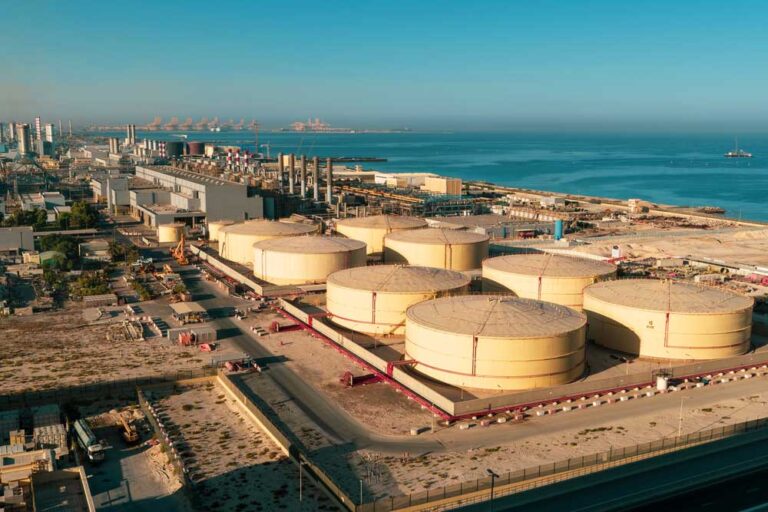
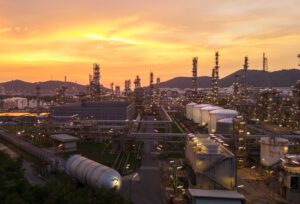
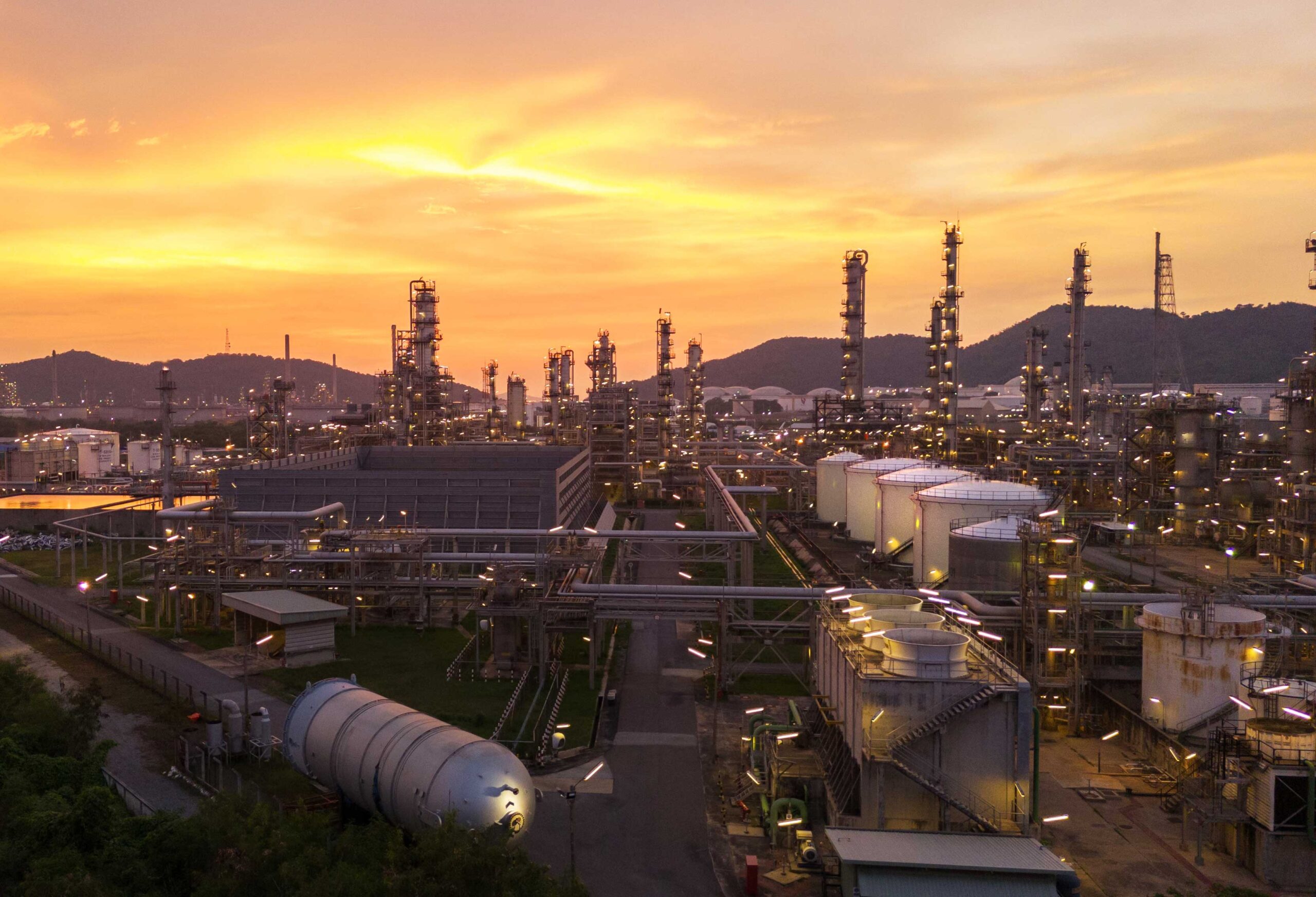
The pressure is already visible in the energy sector, where output from the southern oilfields has fallen sharply and exports from dropped after the war disrupted shipping through the Strait of Hormuz. Iraqi officials described the situation as the most serious operational challenge the sector has faced in more than two decades. For a country that derives more than 90% of its public income from petroleum, this is not merely a setback for the oil business; it is the opening phase of a broader funding crisis.
At the same time, the security environment around Iraq’s energy network is deteriorating. Foreign oil companies have pulled expatriate staff from the southern Iraq energy projects after regional strikes escalated; When foreign engineers, managers, and technical specialists leave, even temporarily, Iraq loses far more than investor confidence because maintenance slows, repairs are delayed, project timelines slip, and future expansion plans become harder to sustain.
The conflict has also revealed one of Iraq’s deepest contradictions, because U.S. pressure and military action have increasingly focused on armed groups inside Iraq, including factions linked to the Popular Mobilization Forces (Alhashd Alshabi), even while Baghdad continues to describe the PMF as part of Iraq’s official security structure. This leaves the Iraqi government trapped in an awkward position: it cannot fully protect those factions when they align themselves with Iran, yet it cannot easily distance itself from formations it legally recognizes as part of the state.
The strain is already reaching state employees in another way. The Finance Ministry ordered the suspension of professional allowances for many, a move that may appear limited on paper but is politically dangerous because it touches benefits and bonuses many workers have received for years and now treat as part of their normal income. In a country where household budgets are built around public pay, even trimming allowances can trigger anger and deepen the sense that the burden of the crisis is being pushed onto ordinary employees.
Iraq does have some protection because the Central Bank still holds large foreign reserves, around $100 billion, covering more than 11 months of imports, which gives Baghdad a degree of protection against immediate collapse. Yet, those assets do not represent a simple payroll fund waiting to be spent. They also support the dinar, reassure importers, and sustain confidence in the banking system, which means that using them too aggressively to cover routine spending could preserve salaries in the short term while weakening the monetary foundation that protects the wider economy.
If the oil shock deepens and fiscal pressure intensifies, Iraq may eventually come under pressure to alter the exchange rate of the dinar.
Some economists also warn that, if the oil shock deepens and fiscal pressure intensifies, Iraq may eventually come under pressure to alter the exchange rate of the dinar, even if officials try to avoid such a move for as long as possible. The Central Bank of Iraq has publicly rejected any plan to change the rate, but debate has persisted because a weaker dinar would give the government more local currency for every oil dollar it receives, while the cost would be painful: imports would become more expensive, inflation would rise, and the purchasing power of salaries would shrink, hitting middle- and low-income families first. Iraq has already seen protests over dinar weakness before, a reminder that exchange-rate stress can quickly become a social issue.
That leaves Baghdad with only a narrow range of choices. It can borrow more at home by leaning on state banks and domestic debt, although that solution, while fast, can put greater strain on banks and reduce credit to the private sector. It can defend payroll by delaying investment, postponing payments to contractors, and trimming nonessential spending, however, this weakens growth and erodes public services. The government can also try to raise more money through better tax collection and tighter customs enforcement, but the IMF has made clear that stronger non-oil revenue and spending restraint are reforms for stability, not instant answers to a wartime shock. None of these options is comfortable, and all of them merely buy time.
Another route would be to seek a large rescue package from international lenders and foreign governments, just as Greece, Egypt, Argentina, Pakistan and Ukraine turned to official financing in periods of severe economic distress. Greece survived through vast official support from European rescue mechanisms and other lenders. Iraq itself turned to the IMF in 2016 after the war against ISIS and weak oil prices battered public finances. Yet, such financing is never painless because rescue money can become costly over time, it comes with tighter external oversight and stricter fiscal discipline, and usually brings pressure for politically difficult reforms, especially in countries with bloated wage bills. Nor can Iraq assume that Gulf states will rush to its help since some Arab capitals may hesitate to offer generous support to a country they still regard as heavily influenced by Iran, especially in a confrontation shaped so directly by U.S.-Iran tensions. Any outside assistance, if it comes, is therefore likely to be political as well as financial.
That is why the length of the oil disruption matters so much. Iraq may be able to absorb a brief shock by compressing spending, relying on domestic finance, and cautiously drawing on part of its reserves, but if export problems last for months rather than weeks, the strain will move from stalled projects and delayed payments to pressure on banks, then to anxiety over the currency, and finally to public fear over salaries themselves.
The harsh reality is that Iraq is not vulnerable simply because it produces oil, but because oil income sustains a state, which any prolonged break in exports begins to unsettle, shaking the foundations of public order. Once that flow of money weakens, the damage does not remain confined to tankers, terminals, or treasury accounts; it spreads into the banks, the ministries, and the homes of millions who depend on the state to function, and at that moment Iraq is no longer coping with an energy shock but confronting the slow unraveling of a political and economic order.